Most WordPress performance advice assumes a fast connection and a modern device. Our readers had neither. Many opened Qysh Me on a cheap Android phone over a slow or expensive mobile connection. A heavy page was not just a worse experience for them, it was a page they might never see load at all.
So performance became a design principle, not a phase at the end. If a how-to article did not load quickly on a bad connection, it did not exist for the people we were building it for.
What actually moved the needle
WordPress can be fast, but the defaults are generous and the plugins pile up. We got disciplined:
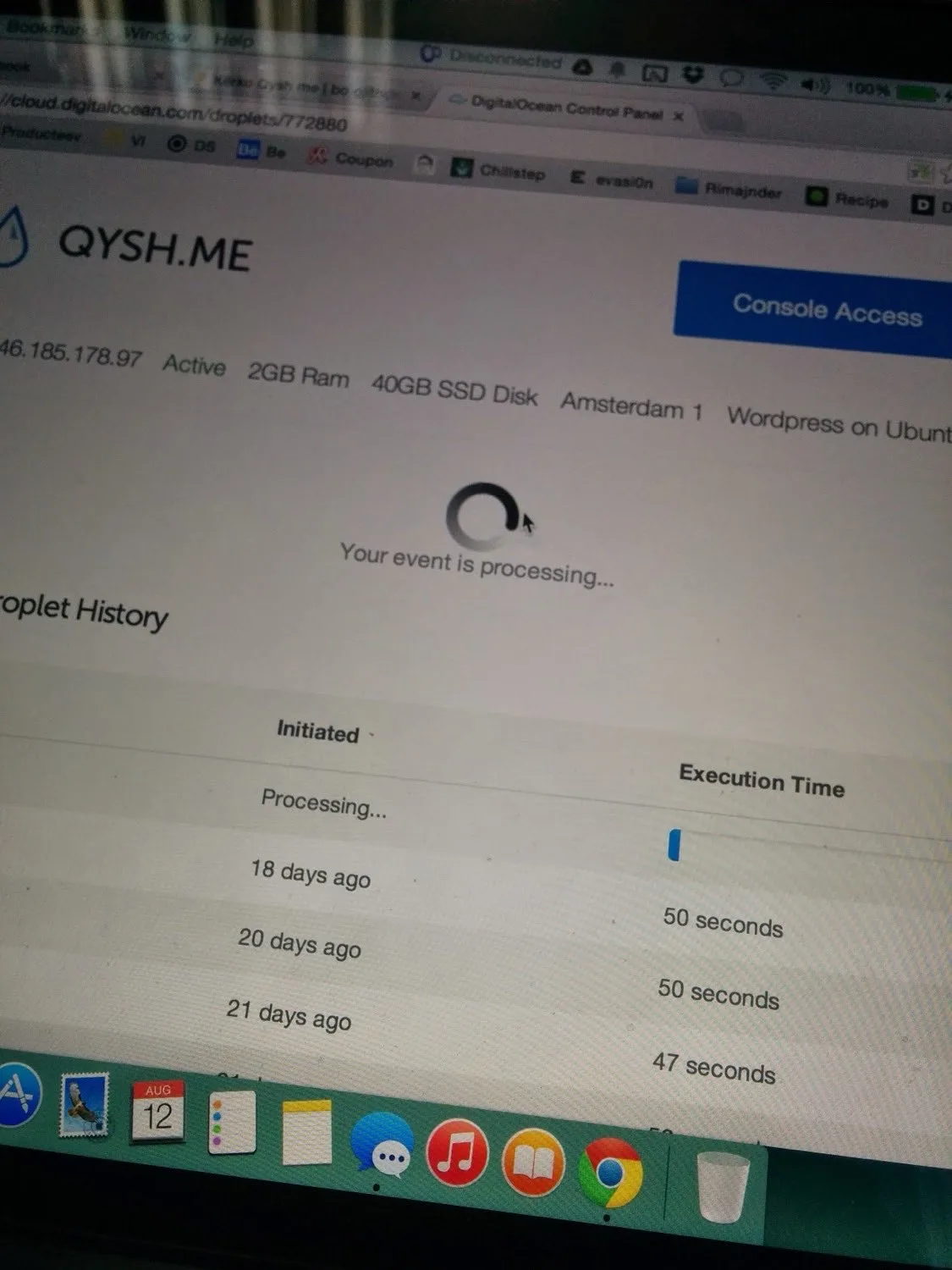
- Caching. We served cached HTML instead of rebuilding every page from the database on each visit. This single change had the biggest effect. For most of our life the whole site ran on a single 2GB DigitalOcean droplet in Amsterdam, WordPress on Ubuntu. Caching is the reason one small box could serve a national audience without falling over. When it did fall over, it was almost always because a post spiked on Facebook faster than the cache could absorb it, or because someone was pointing a DDoS at us, not because the hardware was too small.
- Images. Images are where content sites get heavy. We resized before upload, compressed aggressively and never shipped a photo larger than it would display.
- Fewer plugins. Every plugin is code that runs on every page. We removed anything that was not earning its weight.
- A lean theme. We avoided bloated themes stuffed with features we would never use and kept the front end simple.
- Lazy loading. Content below the fold did not need to arrive before the reader could start reading.
Performance is an SEO strategy in disguise
Here is the part that surprised me at the time. The work we did to help readers on slow connections also helped us in search. Faster pages get crawled more happily, keep people from bouncing and simply rank better. We were optimizing for empathy and getting SEO as a side effect.
What I recommend
Do not treat WordPress performance as cleanup you do once the site is slow. Set a budget early: decide how heavy a page is allowed to be and defend it. Cache aggressively, treat every image as a liability until proven otherwise and question every plugin. On Qysh Me, building for the worst connection we could imagine made the site better for everyone. It taught me that speed is a feature you can feel.
Write a comment